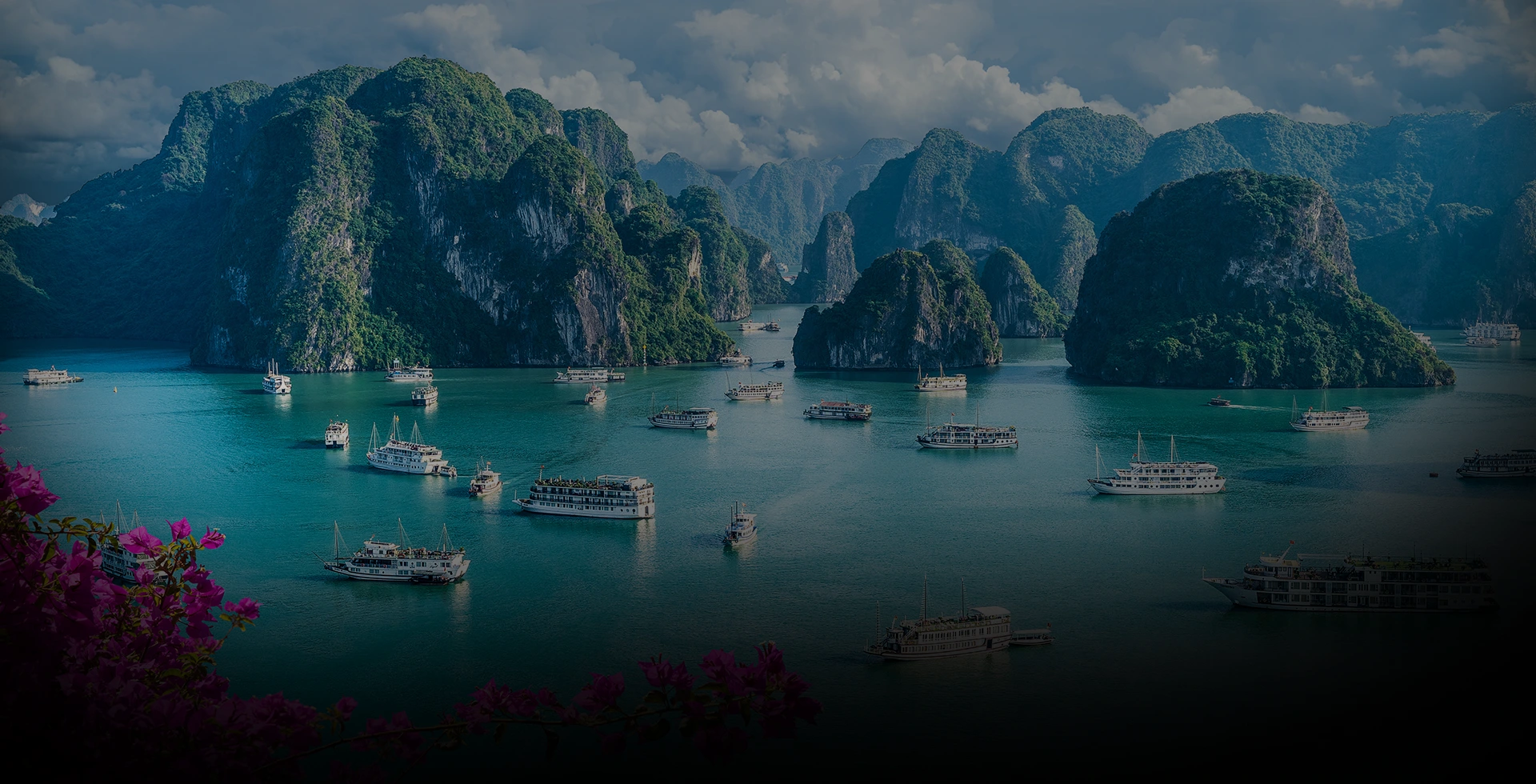
Unveiling the secrets of the archipelago
A mosaic of unique ecosystems awaits the discerning traveler. From volcanic peaks to pristine coastlines, the island’s landscape invites scenic drives and wonder at every turn.
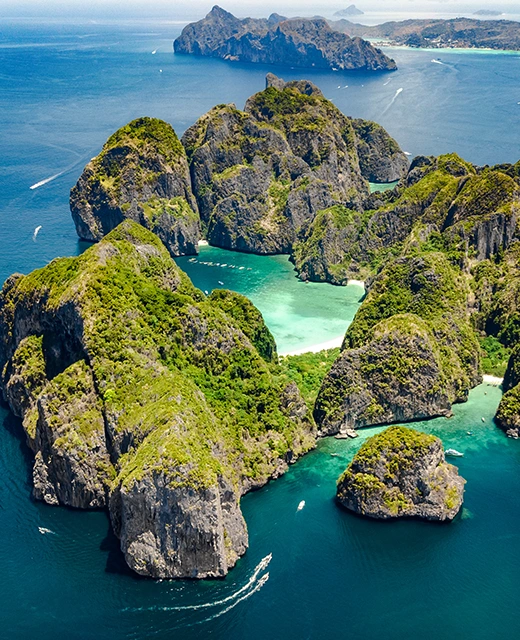
Island Landscapes & Vistas
Exploring diverse topography and zones
The terrain changes dramatically, offering breathtaking panoramas that shift from arid badlands to lush rainforests. This geographic diversity supports unique microclimates across the island.

The volcanic southern coast
Dramatic black sand beaches contrast with endemic green vegetation, creating a photogenic landscape perfect for coastal exploration.

The high altitude plateaus
Cooler temperatures and rare alpine flora characterize these elevated regions, perfect for guided summer hiking and wildlife observation tours.
Your Trip Planner
Logistics for a seamless journey

When to Go: Seasonal Guide
Spring offers wildflower trails and mild weather, while autumn provides warm seas and local harvest festivals. Check for seasonal travel deals.

Getting Around: Transport Options
Public buses connect major towns, but booking private transfers or a rental car unlocks access to hidden gems and secluded coves.

Trip Budget & Costs
Daily expenses vary between all-inclusive coastal resorts and inland villages, affecting your budget for local food and guesthouse lodging.

Your Essential Packing List
Waterproof hiking shoes are mandatory for trails. Include reef-safe sunscreen for the intense sun and a reusable water bottle for hydration.
Cultural Immersion
Immersion in heritage and daily life
The island’s soul resides in its local communities and their customs. Village squares buzz with conversation. Traditional music and folkloric dance animate local taverns. Authentic artisanship remains vital, with weavers producing handmade textiles and woodcarvers creating functional art. Visitors can join a craft workshop to gain insight into a lifestyle valuing community and craftsmanship.
Local Culinary Traditions
Savoring the Island’s culinary bounty
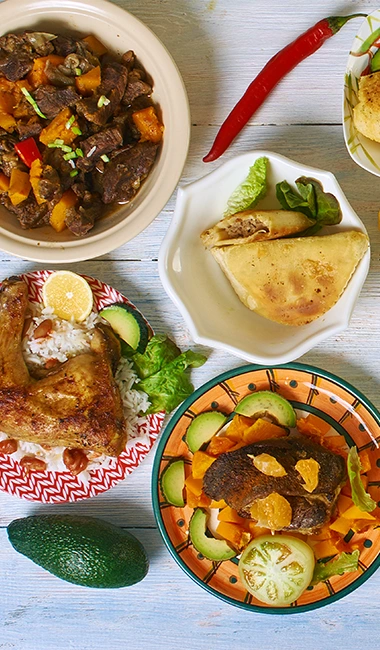
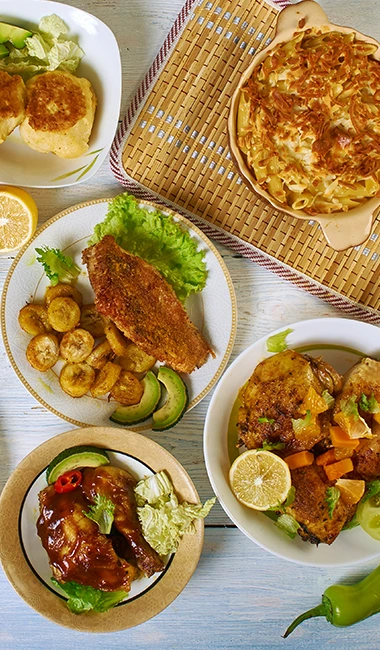
Gastronomy is a bridge between land and sea. Farmers’ markets overflow with seasonal tropical fruits, fresh tuna, and spices from fertile volcanic soil. Traditional dishes feature slow-cooked stews. Vibrant street food stalls offer grilled delicacies, while family-run tavernas serve multi-course feasts. Consider a local cooking class or a food tour to explore these flavors.
Nature & Adventure Activities
Excursions into the wild nature

Accommodation Types
Selecting your ideal accommodation
Lodging options
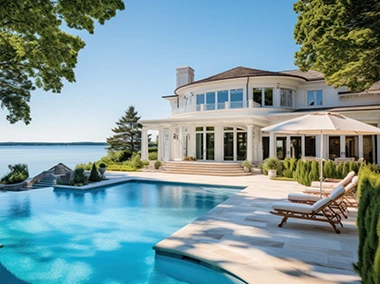
Luxury Coastal Villas & Resorts
These properties offer private beach access and all-inclusive amenities. Ideal for travelers seeking luxury, convenience, and on-site water sports.
Boutique Hotels & Villas
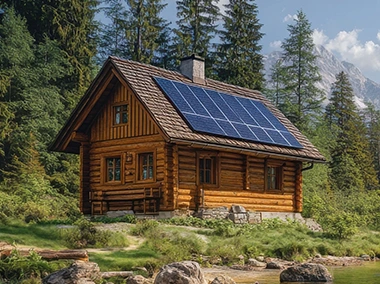
Sustainable Mountain Eco-Retreats
These eco-friendly lodges minimize environmental impact. Guests enjoy tranquility near private nature trails and can book endemic wildlife spotting tours.
Wellness & Seclusion
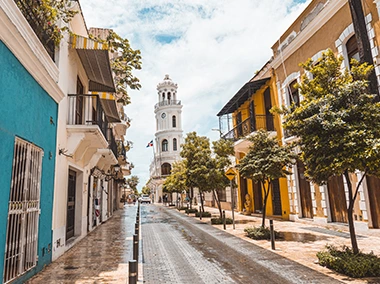
Historic Town Self-Catering Apartments
Renovated flats in the charming old quarter place visitors in the heart of the action, with local markets and artisan cafes nearby.
Arrival & Pre-Travel Information
International flights arrive at the main airport, with onward ferry connections available to smaller islands. Visa requirements vary by nationality, so check before booking. Travel insurance covering medical emergencies is highly recommended. Upon arrival, airport transfer services can be pre-booked for a seamless start to your journey.